
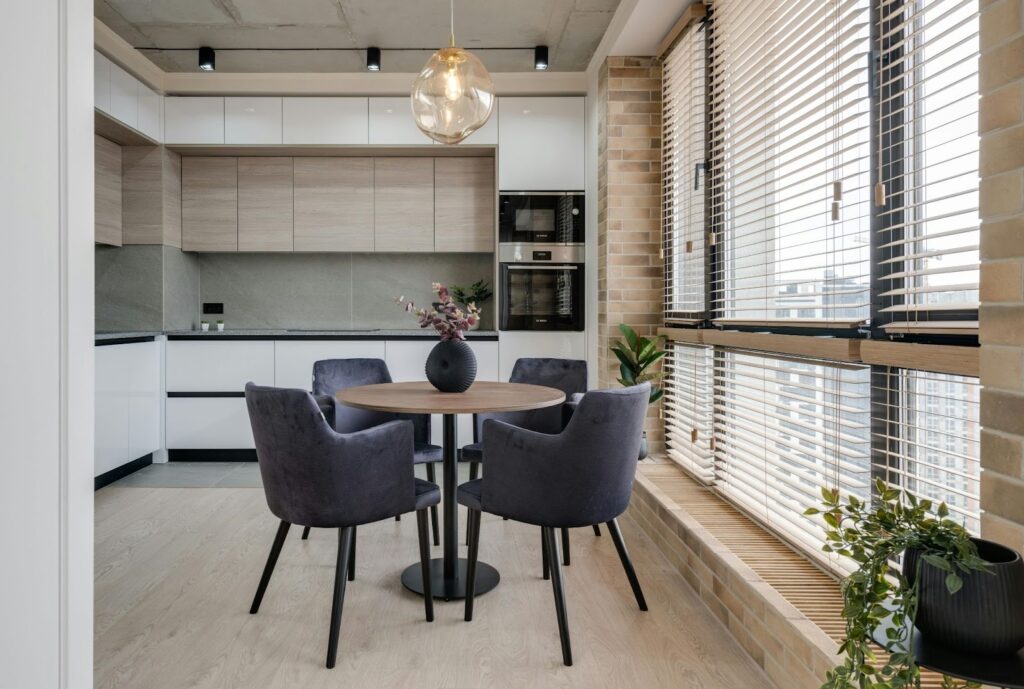
Kitchen cabinets are one of the most used features in any Montreal home, and proper cabinet care is essential to keep them looking good and functioning well for years. From frequent cooking to seasonal humidity changes, kitchen cabinets face daily stress that can lead to wear and damage if not maintained correctly. With the right cleaning tips and kitchen maintenance habits, homeowners can protect their investment and preserve the beauty of their cabinets.
Why Kitchen Cabinet Maintenance Is Important in Montreal
Kitchen cabinets in Montreal are exposed to unique environmental conditions that make regular maintenance especially important. Cold winters and humid summers can cause materials to expand, contract, or weaken over time, which affects both appearance and durability. Without consistent kitchen maintenance, small issues like loose hinges or moisture buildup can turn into costly repairs.
Well-maintained kitchen cabinets also contribute to a healthier kitchen environment. Dirt, grease, and bacteria can accumulate on neglected surfaces, while clean cabinets support better hygiene and easier daily use. In addition, good cabinet care helps maintain property value, as kitchens are one of the first areas buyers notice.
Understanding Different Kitchen Cabinet Materials
Knowing what type of kitchen cabinets you have helps determine the right cleaning tips and maintenance approach. Each material responds differently to moisture, heat, and cleaning products.
Solid Wood Kitchen Cabinets
Solid wood kitchen cabinets offer natural beauty and strength, but they are sensitive to humidity changes. In Montreal homes, fluctuating temperatures can cause wood to expand or shrink, leading to cracks or warping. Proper cabinet care includes gentle cleaning, avoiding excess water, and maintaining stable indoor humidity levels.
MDF and Engineered Wood Cabinets
MDF and engineered wood cabinets are popular for their smooth finish and affordability. These cabinets resist cracking better than solid wood but can swell if exposed to water. Careful kitchen maintenance involves keeping surfaces dry and addressing spills immediately.
Laminate and Thermofoil Cabinets
Laminate and thermofoil kitchen cabinets are easy to clean and maintain, making them a common choice for modern kitchens. If you’re looking for the right kitchen cabinets in Montreal, then contact us at MontRiver for expert guidance. However, heat and moisture can weaken the surface over time, so using proper ventilation and following gentle cleaning tips helps preserve their finish.
Daily Habits That Protect Kitchen Cabinets
Small daily habits play a major role in extending the life of kitchen cabinets. Closing doors gently prevents stress on hinges and frames, while wiping spills immediately reduces the risk of stains and moisture damage. Using exhaust fans while cooking also helps control steam and grease buildup, which is an important part of everyday kitchen maintenance.
Avoid hanging heavy items on cabinet handles, as this can loosen hardware and misalign doors. These simple actions support long-term cabinet care without requiring extra time or effort.
Weekly Cleaning Tips for Kitchen Cabinets
Weekly cleaning keeps kitchen cabinets looking fresh and prevents dirt from becoming difficult to remove. Start by wiping cabinet surfaces with a soft cloth to remove dust. Follow with a mild mixture of warm water and gentle dish soap, which works well for most cabinet finishes.
Always use a damp cloth rather than a wet one, as excess water can seep into seams and edges. After cleaning, dry the cabinets thoroughly with a clean towel. This step is essential for preventing moisture-related damage and maintaining cabinet care standards.
Deep Cleaning Kitchen Cabinets the Right Way
Deep cleaning should be part of seasonal kitchen maintenance and helps remove grease and buildup that weekly cleaning may miss. Begin by emptying cabinets so you can clean both interior and exterior surfaces. Use a cleaner suitable for your cabinet material and apply it gently with a soft cloth. Handles and knobs should receive extra attention, as they collect oils from frequent use. Dry all surfaces completely before placing items back inside to avoid trapping moisture.
Managing Grease and Stains on Kitchen Cabinets
Grease is common on kitchen cabinets near cooking areas, especially around the stove. To remove grease safely, use warm water mixed with mild soap and wipe gently with a soft cloth. Let the solution sit briefly on stubborn spots to loosen buildup, then wipe clean. Avoid scraping or using abrasive tools, as these can damage the cabinet finish. Gentle cleaning tips are always more effective for long-term kitchen maintenance.
Seasonal Kitchen Maintenance for Montreal Homes
Seasonal changes in Montreal affect kitchen cabinets differently, so maintenance routines should adapt throughout the year.
Winter Kitchen Cabinet Care
During winter, indoor heating can dry out the air and affect wooden cabinets. Using a humidifier helps maintain balanced humidity and prevents cracking. Keeping cabinets away from direct heat sources also protects finishes and adhesives.
Summer Kitchen Cabinet Care
High humidity during summer increases the risk of swelling and warping. Proper ventilation is essential, especially when cooking. If you’re looking for durable kitchen cabinets to suit your needs, you can visit our website for expert solutions. Wipe condensation promptly near sinks and dishwashers to prevent moisture damage.
Caring for Cabinet Hardware and Hinges
Cabinet hardware supports daily use and should be included in regular kitchen maintenance. Check hinges and handles periodically and tighten screws as needed to prevent misalignment. Clean hardware with mild soap and dry it immediately to avoid corrosion. If doors squeak or feel stiff, applying a small amount of lubricant can restore smooth movement and reduce stress on cabinet structures.
Preventing Moisture Damage in Kitchen Cabinets
Moisture is one of the biggest threats to kitchen cabinets, especially under sinks and near appliances. Regularly inspect these areas for leaks or condensation. Using protective mats inside cabinets adds an extra layer of protection and makes cleanup easier. Proper sealing around sinks and dishwashers is an important part of cabinet care and helps prevent long-term water damage.
Organizing Cabinets to Reduce Wear
Good organization supports kitchen maintenance by reducing strain on cabinet shelves and doors. Store heavier items in lower cabinets and lighter items in upper cabinets to prevent sagging. Shelf liners protect surfaces and simplify cleaning. Avoid overcrowding cabinets, as easy access reduces forceful pulling and slamming, which helps preserve cabinet alignment and hardware.
When to Refinish or Repaint Kitchen Cabinets
Over time, even well-maintained kitchen cabinets may show signs of wear such as fading, scratches, or peeling finishes. Refinishing or repainting can restore their appearance without the cost of replacement. This process also adds a protective layer, extending the life of cabinets and enhancing overall kitchen aesthetics. Professional services are often recommended for best results.
Common Kitchen Cabinet Maintenance Mistakes
Using harsh chemical cleaners is one of the most common mistakes when caring for kitchen cabinets, as they can damage finishes and shorten their lifespan. Ignoring small issues like loose hinges or minor water exposure in kitchen cabinets can lead to bigger problems over time. Consistent inspections and gentle cleaning habits help protect kitchen cabinets and support long-term kitchen maintenance.
Frequently Asked Questions
1. How often should kitchen cabinets be cleaned?
Kitchen cabinets should be wiped weekly and deep cleaned every few months to maintain cleanliness and prevent buildup.
2. What is the safest cleaner for kitchen cabinets?
A mild mix of warm water and gentle dish soap is safe for most kitchen cabinets and protects the finish.
3. Can humidity damage kitchen cabinets in Montreal?
Yes, humidity can cause swelling, warping, or peeling, making moisture control essential for cabinet care.
4. How do I safely remove grease from cabinets?
Use warm water with mild soap and a soft cloth, and avoid abrasive tools or harsh chemicals.5. When should I hire a professional for cabinet maintenance?
Professional help is recommended if cabinets show warping, peeling, or structural damage that cannot be fixed with basic maintenance.
