
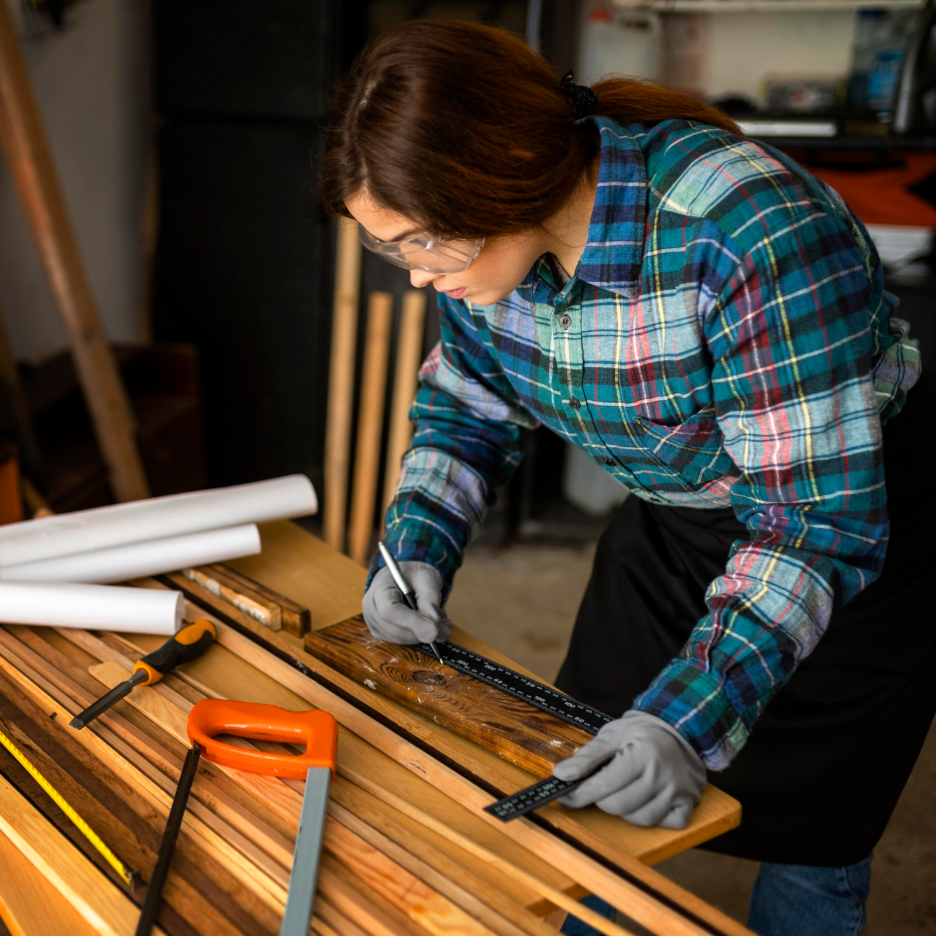
Wood Plastic Composite (WPC) is becoming an increasingly popular material choice among homeowners in Montreal who are looking for modern, durable, and versatile solutions for their interior and exterior spaces. As the name suggests, WPC is a composite material made by combining wood fibers with thermoplastics, resulting in a product that offers the natural look of wood along with enhanced performance characteristics.
In a design-focused city like Montreal, where homeowners value both functionality and aesthetics, WPC has gained attention as a reliable alternative to traditional materials. With trusted providers such as Mont-River , homeowners can explore high-quality WPC solutions tailored to contemporary living spaces.
Understanding Wood Plastic Composite (WPC)
Wood Plastic Composite is engineered by blending wood particles with plastic polymers to create a strong and uniform material. This combination results in a product that maintains the visual appeal of wood while offering improved durability and flexibility.
WPC boards are designed to perform well in a variety of conditions, making them suitable for both indoor and outdoor applications. Their composition allows for consistent quality, smooth finishes, and a wide range of design possibilities.
Why WPC Is Gaining Popularity in Montreal
Montreal homeowners are increasingly choosing WPC for its ability to combine style with performance. The material fits well with modern architectural trends and offers practical advantages for everyday use.
Some of the key reasons for its growing popularity include:
- Adaptability to different design styles
- Consistent appearance and finish
- Suitability for various applications
- Long-lasting performance in diverse environments
These qualities make WPC a preferred option for homeowners seeking reliable and attractive materials.
Common Uses of Wood Plastic Composite
WPC is a versatile material that can be used in multiple areas of the home. Its flexibility allows it to be incorporated into both structural and decorative elements.
Interior Applications
Inside the home, WPC is often used for wall panels, cabinetry, and decorative features. It provides a clean and modern look while maintaining durability.
Exterior Applications
For outdoor spaces, WPC is commonly used in decking, fencing, and cladding. It performs well in varying weather conditions and enhances the visual appeal of exterior areas.
Furniture and Custom Designs
WPC can also be used in custom furniture and design elements, offering a consistent finish and modern aesthetic.
Exploring dedicated WPC solutions helps homeowners understand how this material can be integrated into different projects.
Key Benefits of Wood Plastic Composite
WPC offers a range of benefits that make it an attractive choice for modern homes. Its combination of materials provides advantages that go beyond traditional wood or plastic options.
Durability
WPC is designed to withstand daily use while maintaining its structure and appearance. Its composition enhances resistance to wear and environmental factors.
Low Maintenance
Unlike traditional wood, WPC requires minimal upkeep. Regular cleaning is usually sufficient to maintain its appearance.
Aesthetic Appeal
WPC retains the natural look of wood while offering a smooth and consistent finish. It is available in a variety of colors and textures.
Versatility
The material can be used in a wide range of applications, making it suitable for different areas of the home.
Stability
WPC boards are engineered to provide consistent performance, ensuring reliability over time.
Comparing WPC with Traditional Materials
When choosing materials for home improvement projects, it is helpful to understand how WPC compares to traditional options like solid wood.
Wood offers a classic and natural look, but it may require more maintenance to preserve its appearance. WPC, on the other hand, provides a similar aesthetic with added durability and ease of care. This makes it a practical alternative for homeowners seeking both style and convenience.
Design Flexibility with WPC
One of the standout features of WPC is its design flexibility. It can be molded, shaped, and finished in various ways, allowing homeowners to achieve their desired look.
Design possibilities include:
- Modern wall panels
- Sleek cabinetry finishes
- Outdoor decking designs
This flexibility makes WPC suitable for both contemporary and traditional spaces.
Environmental Considerations
WPC is often considered a more sustainable option compared to some traditional materials. By combining wood fibers with recycled plastics, it contributes to efficient material use.
This approach supports environmentally conscious design choices while maintaining performance and durability.
Installation and Practical Use
WPC is designed for ease of installation, making it a practical choice for various projects. Its uniform structure allows for precise cutting and fitting, ensuring a clean and professional finish.
Homeowners can use WPC in both small-scale upgrades and larger renovation projects, depending on their needs.
Maintenance and Care
Maintaining WPC is straightforward, which adds to its appeal. Simple cleaning practices help keep the material looking its best.
Basic care includes:
- Regular cleaning with mild solutions
- Keeping surfaces free from debris
- Periodic inspection for optimal performance
These steps ensure that WPC continues to perform well over time.
Why Homeowners in Montreal Choose WPC
Montreal homeowners value materials that offer both style and practicality. WPC meets these expectations by providing a balance of aesthetics, durability, and versatility.
Its ability to adapt to different environments and design preferences makes it a suitable choice for modern homes. Learning more about the expertise behind these solutions through the about page offers insight into the quality and craftsmanship involved.
Expanding Role of WPC in Modern Home Design
As home design continues to shift toward materials that balance style with functionality, Wood Plastic Composite is becoming a preferred choice for many homeowners. Its ability to combine a refined appearance with dependable performance makes it suitable for a wide range of applications in both new constructions and renovation projects.
With its versatility and consistent finish, WPC fits seamlessly into contemporary living spaces. Homeowners are increasingly choosing it for its ability to support creative designs while maintaining everyday practicality, making it a valuable material in modern home improvement projects.
Conclusion
Wood Plastic Composite (WPC) is a versatile and modern material that offers a unique combination of durability, style, and ease of use. For homeowners in Montreal, it provides a practical solution for both interior and exterior applications, supporting a wide range of design possibilities.
By understanding its uses and benefits, homeowners can make informed decisions when selecting materials for their projects. Whether used for walls, decking, or custom designs, WPC delivers consistent performance and visual appeal, making it a valuable addition to modern homes.
Frequently Asked Questions (FAQs)
1. What is wood plastic composite (WPC)?
WPC is a composite material made from wood fibers and plastic, offering durability and a wood-like appearance.
2. Where can WPC be used in a home?
It can be used for wall panels, decking, cabinetry, fencing, and decorative elements.
3. Is WPC suitable for outdoor use?
Yes, WPC is commonly used for outdoor applications such as decking and cladding.
4. How do I maintain WPC materials?
Regular cleaning and basic care help maintain its appearance and performance.
5. How does WPC compare to wood?
WPC offers a similar look to wood with added durability and lower maintenance requirements.
