
WPC in Montreal has become a popular choice for designers, builders, and homeowners seeking durable, low-maintenance, and sustainable building materials. Wood-plastic composite blends the natural look of wood with the resilience of modern polymers, resulting in a material that performs well in both outdoor and indoor spaces.
As sustainable building materials grow in demand, it is emerging as a versatile solution that enhances aesthetic appeal, functionality, and long-term durability. This article explores the top uses of WPC and how its innovative applications are shaping spaces across Montreal.
What Is WPC and Why It Matters
Wood-plastic composite, commonly known as WPC, combines wood fibers and plastic polymers to create a material that offers the best qualities of both. Unlike traditional wood, WPC resists moisture, rot, fading, and insect damage, making it ideal for areas where durability is essential. Its composition also allows for a smoother finish and consistent performance over time.
WPC and Sustainable Building Materials
One significant advantage of WPC is its alignment with sustainable building materials objectives. Many WPC products are manufactured using recycled wood fibers and plastics, reducing strain on natural resources. By choosing WPC, builders and homeowners contribute to environmental responsibility while benefiting from a long-lasting product.
Outdoor Applications of WPC in Montreal
WPC is widely used outdoors due to its resistance to weather extremes, moisture, and temperature fluctuations. In Montreal’s climate, outdoor materials need to withstand rain, snow, and strong sunlight without deteriorating quickly. WPC rises to this challenge with impressive performance.
WPC Decking for Patios and Terraces
One of the most common outdoor applications of WPC is decking. WPC decking combines a natural wood appearance with low maintenance and high durability. Unlike traditional wood decks, WPC decking does not require regular sealing, staining, or painting, saving time and long-term costs. Its slip-resistant surface makes it suitable for outdoor patios, terraces, and pool areas, offering both aesthetics and safety.
WPC Cladding and Facades
WPC cladding adds visual appeal and weather protection to exterior walls. It helps maintain the beauty of building exteriors, reducing the need for frequent upkeep. WPC cladding resists fading and warping, making it a strong choice for both residential and commercial properties in Montreal.
WPC Fencing and Railings
Fencing and railings made from WPC provide sturdy barriers with a refined look. These installations are resistant to staining, cracking, and insect damage. Homeowners can choose a variety of finishes and colours to match outdoor landscapes or architectural styles without sacrificing long-term resilience.
Indoor Uses of WPC in Montreal
WPC is not limited to outdoor applications. Its strength and aesthetic appeal make it suitable for many indoor uses. The uniform structure and resistance to wear help WPC adapt to interior design trends and functional needs.
WPC Flooring for Living Spaces
WPC flooring offers a stable, comfortable surface ideal for living rooms, kitchens, and high-traffic areas. It delivers a wood-like look with added resistance to moisture and scratches. WPC flooring installs easily and provides a consistent surface that complements modern interior designs.
WPC Wall Panels and Accents
Interior wall panels made from WPC create stylish accents and textured features in various rooms. These panels enhance visual interest and can serve as functional design elements in offices, showrooms, or residential spaces. WPC’s consistency and finish options allow designers to achieve creative solutions without sacrificing performance.
Innovative WPC Applications
Beyond standard uses, WPC continues to find new and innovative applications in both commercial and residential projects. Its adaptability and performance make it a material of choice for creative design challenges.
Custom WPC Furniture and Fixtures
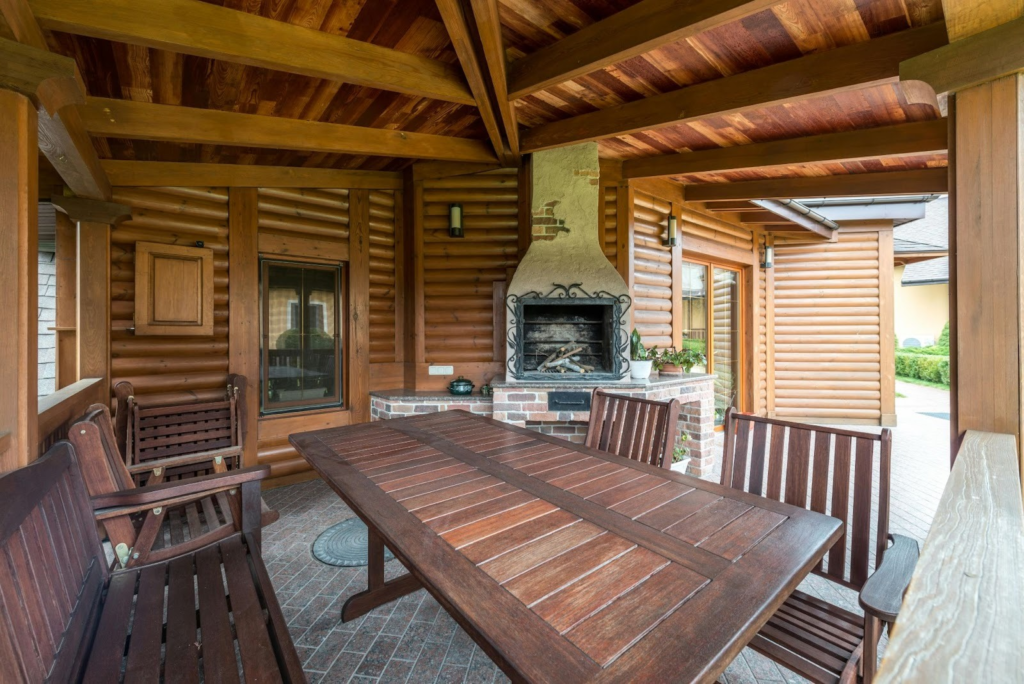
Designers use WPC to build furniture pieces and fixtures that require durability and a contemporary aesthetic. Tables, benches, and display units made with WPC balance strength with refined finishes. These pieces perform well in indoor common areas, waiting rooms, or outdoor covered spaces.
WPC in Commercial and Public Spaces
In commercial settings, WPC can be used for benches, planters, outdoor seating, and other permanent installations. Its long lifespan and resistance to vandalism make it suitable for parks, plazas, and recreational areas where maintenance access may be limited.
Advantages of Choosing WPC
WPC combines the beauty of wood with the practicality of engineered materials, supporting sustainable building materials goals while delivering real performance benefits.
Low Maintenance and Long-Term Durability
Unlike untreated wood, WPC does not require frequent refinishing or chemical treatments. Its durability in diverse environments makes it an economical choice over the long term.
Aesthetic Versatility
WPC products come in a variety of finishes and colours, allowing design flexibility. Whether a modern, minimalist design or a classic wood appearance is desired, WPC offers options that meet design expectations.
Conclusion
WPC in Montreal is rapidly becoming a preferred material for both outdoor and indoor applications. Its strength, appearance, and sustainable attributes make it suitable for decking, cladding, flooring, interior accents, and creative custom uses.
As sustainable building materials gain popularity, WPC stands out as a versatile and long-lasting solution that supports design innovation while offering practical benefits. Whether for residential renovation or commercial development, understanding the top uses of WPC helps create spaces that are beautiful, durable, and future-ready. Contact MontRiver for more information about our WPC products.
Frequently Asked Questions
1. What is WPC?
WPC stands for wood-plastic composite, a material made by combining wood fibers with plastic polymers.
2. Is WPC suitable for outdoor use?
Yes, WPC is highly suitable for outdoor environments due to its resistance to moisture, temperature changes, and decay.
3. Can WPC be used indoors?
Yes, WPC is ideal for indoor applications such as flooring, wall panels, and stair treads.
4. Are WPC products environmentally friendly?
Many WPC products use recycled materials, making them a sustainable choice in building projects.5. Does WPC require maintenance?
WPC is low maintenance and does not require regular staining or sealing like traditional wood.
